
Cleaning Your Carbon Fiber Paddle: How to Restore Grit and Spin
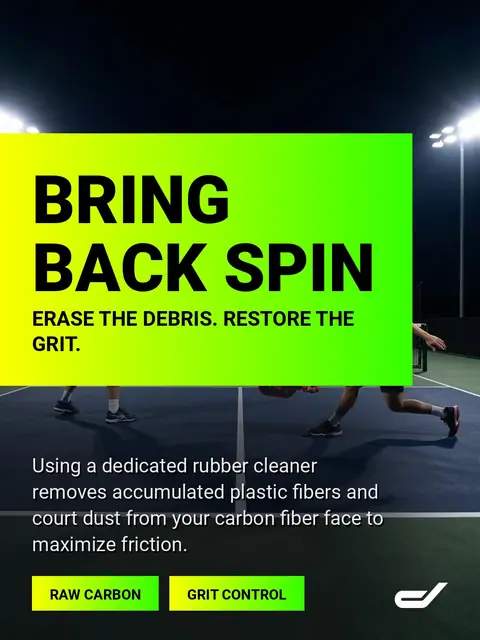
If you have noticed that your wicked topspin serves are starting to land flatter or your aggressive dinks are losing their 'bite,' the problem might not be your technique. It might be your gear. In the rapidly expanding world of pickleball in India, players are investing in high-performance equipment, but many are neglecting the one thing that keeps those paddles performing at a professional level: maintenance.
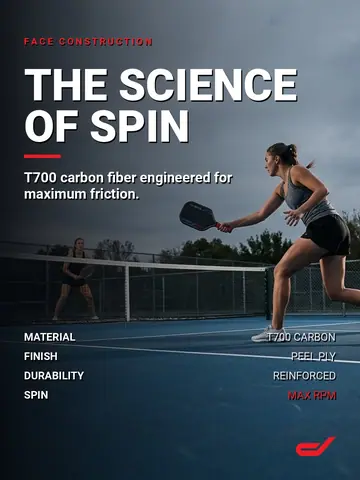
Raw carbon fiber paddles, like the DYSSC HexCore Pro, are designed with a microscopic texture that creates massive friction against the ball. However, that very texture acts like a magnet for court dust, skin oils, and microscopic plastic fibers from the ball. Over time, these contaminants fill the 'valves' of the carbon weave, smoothing out the surface and effectively turning your high-spin weapon into a slippery board.
The Science of Friction on Indian Courts
Most outdoor courts in India face a unique challenge: high levels of ambient dust and pollution. Unlike the pristine indoor facilities often seen in US professional highlights, an outdoor hard court in Delhi or Mumbai accumulates a layer of fine grit within hours. When you strike a pickleball, the impact creates heat and friction, which causes the soft plastic of the ball to shear off in tiny amounts. This 'ball gum' mixes with court dust to create a stubborn residue on your paddle face.
As we discussed in our guide to pickleball surface grit, the spin potential of a paddle is directly tied to the cleanliness of the carbon fibers. If the texture is clogged, the ball slides across the surface instead of being 'grabbed' by the grit. This slide reduces the RPMs (revolutions per minute) you can generate, making your shots less predictable and harder to control.
The Tool You Need: The Rubber Grit Eraser
The most effective way to clean a raw carbon fiber paddle is with a specialized rubber cleaner, often called a 'paddle eraser.' These are essentially blocks of heavy-duty, solidified rubber that act differently than a standard pencil eraser.
When you rub this tool across the face of a paddle like the HexCore Pro, the rubber reaches into the weave of the carbon fiber. It grabs the embedded plastic fibers and dust particles, pulling them out and clumping them together. This process is purely mechanical and does not involve chemicals, which is crucial for preserving the integrity of the resin used in thermoformed paddles.
How to Clean Your Paddle: A Step-by-Step Guide
To ensure you are getting the most out of the best pickleball paddle in India, follow this routine once a week or whenever you notice a visible white sheen on the hitting surface:
- Dry Wipe: Start by using a clean, dry microfiber cloth to wipe away loose dust and sweat. Do not use your hand, as the oils from your skin can further clog the grit.
- The Eraser Technique: Use firm, short strokes with your paddle eraser. Focus on the 'sweet spot'—the center of the paddle where most contact occurs. You will see small black or grey crumbs forming; these are the contaminants being lifted from the fibers.
- Edge Guard Care: Use a slightly damp cloth (water only) to wipe the edge guard. Dust trapped here can eventually migrate back onto the face of the paddle during play.
- Final Buff: Give the face one last wipe with the microfiber cloth to remove any rubber residue.
What to Avoid: Common Cleaning Mistakes
While it might be tempting to use household cleaners to get that 'new paddle' shine, you could be doing permanent damage. Raw carbon fiber is a sensitive material. Avoid these three things at all costs:
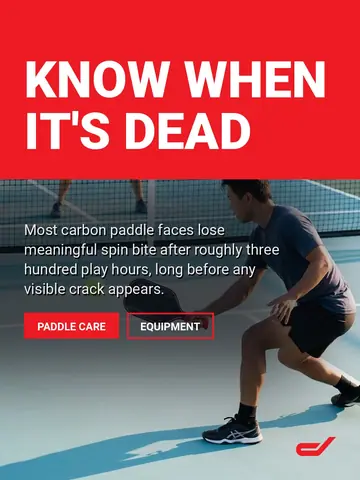
Household Chemicals: Windex, bleach, or degreasers can break down the bonding agents in the carbon fiber. This can lead to delamination or a softening of the face, which drastically reduces the lifespan of your gear. If you are unsure if your paddle is nearing its end, check our article on when to replace your pickleball paddle.
Excessive Water: While a tiny bit of moisture on a cloth is fine for the edge guard, never submerge your paddle or let water soak into the face. Most modern paddles use a honeycomb core; if water gets inside, it can cause the core to rot or lose its structural integrity.
Scouring Pads: Never use steel wool or abrasive kitchen sponges. These will sand down the actual carbon fibers, permanently destroying the grit that you were trying to clean in the first place.
Routine Maintenance vs. Deep Cleaning
In the Indian climate, humidity can also play a role. If you play in a coastal city like Chennai or Kochi, sweat is your biggest enemy. Sweat contains salt and oils that, when dried, create a film over the paddle. For players in these regions, we recommend a quick wipe with a dry microfiber cloth after every single game.
A deep clean with a rubber eraser should be done whenever you see the 'white' buildup of plastic on the face. For a daily player, this is usually once every 3 to 4 sessions. For a weekend warrior, once every two weeks is sufficient.
Conclusion: Respect the Gear
A premium paddle is an investment in your game. By spending five minutes a week on maintenance, you ensure that the T700 raw carbon fiber on your DYSSC paddle continues to provide the spin and control you paid for. Don't let a layer of dust be the reason you miss your next cross-court winner. Keep it clean, keep the grit, and keep winning.
Clean the face regularly
Dust and court grime fill the micro-texture of the face, and that texture is what grips the ball for spin. To clean it:
- Wipe the face with a damp microfiber cloth after play.
- For stubborn marks, use a slightly damp cloth — avoid harsh solvents that can degrade the surface.
- Let it air-dry; never soak the paddle.
A clean carbon or graphite face like the HexCore Pro's grips noticeably better than a dusty one.
Care for the grip
- Replace or add an overgrip when it gets slick — a fresh grip improves control and reduces wrist strain.
- Wipe sweat off after sessions to stop the grip hardening.
Store it correctly
- Avoid extreme heat — never leave a paddle in a hot car or boot. Heat can warp the core and delaminate the face.
- Keep it in a sleeve or bag to protect the edges.
Protect the edges
Edge guards take the hits when you scrape the court. If yours wears down, replace the edge tape rather than letting the core get exposed.
The bottom line
Two minutes of care per week keeps your paddle playing like new. Pair good habits with a well-built paddle such as the HexCore Pro and it'll serve you for seasons.
Frequently asked questions
Can I use a regular pencil eraser to clean my paddle?
No. Pencil erasers are too soft and often contain oils or dyes that can further clog the carbon fiber weave. Use a dedicated 100% natural rubber paddle eraser.
How often should I clean my carbon fiber paddle?
In India's dusty conditions, we recommend a deep clean with a rubber eraser every 3-5 sessions or whenever you see white ball residue on the surface.
Does cleaning the paddle help with power?
Cleaning mainly restores spin and control by reviving the surface grit. Power is generated by the core and your swing, though a clean surface ensures more consistent ball flight.
How do I clean my pickleball paddle face?
Wipe it with a damp microfiber cloth after play to remove dust and grime from the textured surface. Avoid harsh chemicals and never soak the paddle.
Why does my paddle have less spin now?
A dusty or worn face grips the ball less. Clean the face regularly with a damp cloth to restore the micro-texture that creates spin.
Keep reading

Comments (0)
Be the first to comment.