
The Pickleball Backhand Dink: Mastering Control, Direction, and Disguise
In the high-speed world of pickleball in India, the game is often won or lost in the smallest of margins at the kitchen line. While the forehand dink feels natural to most athletes transitioning from tennis or badminton, the backhand dink is frequently where the shield cracks. It is the shot opponents target most often, hoping for a pop-up or a net error.
Mastering the backhand dink isn't just about survival; it is about establishing a neutralizing force that allows you to dictate the tempo of the rally. Whether you are playing on a humid coastal court in Mumbai or a fast synthetic surface in Delhi, a reliable backhand dink is your ticket to higher-level play.
The Mechanics: Why Less is More
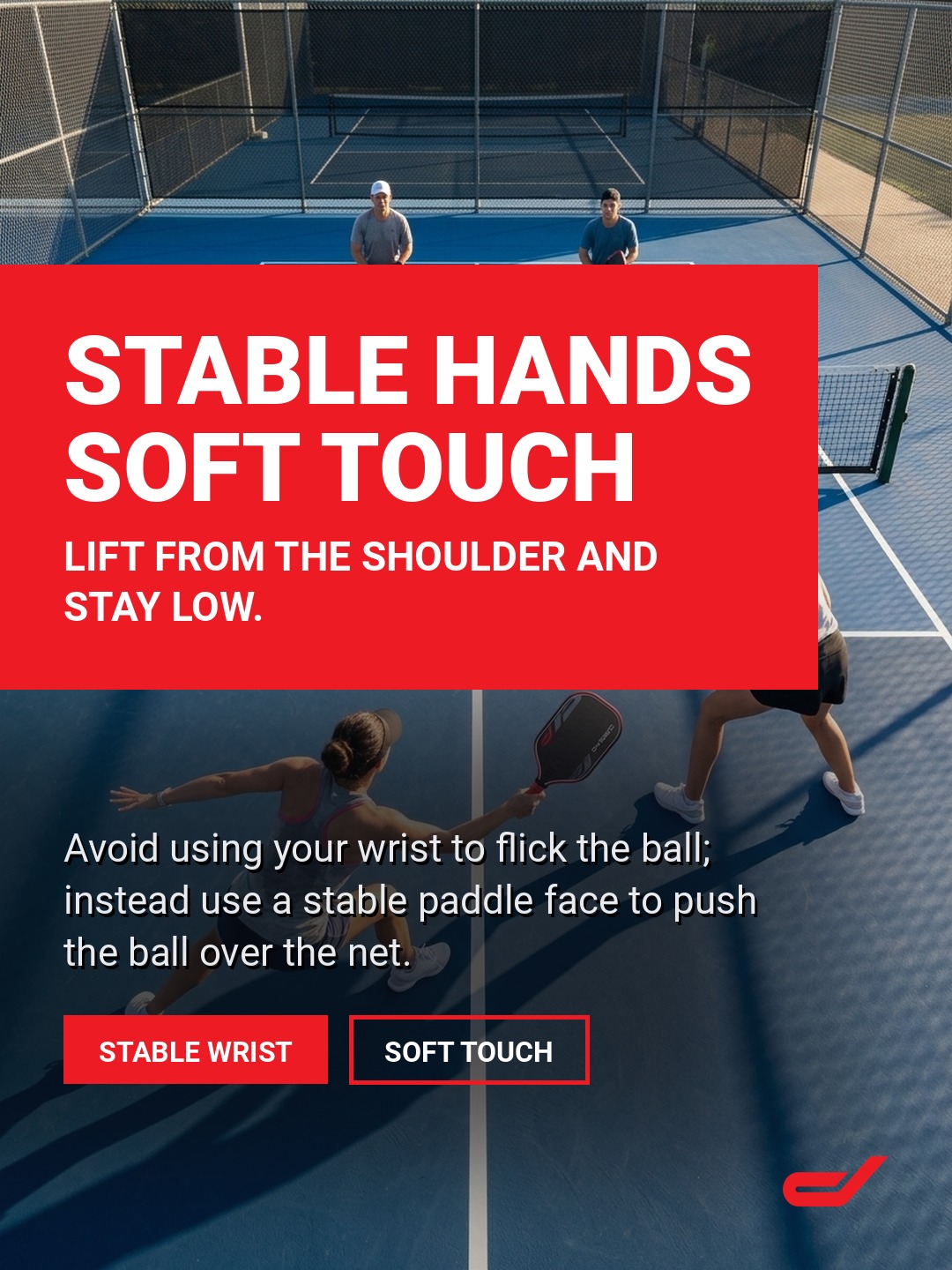
The biggest mistake players make with the backhand dink is 'over-working' the ball. Because the backhand side can feel weaker, there is a natural tendency to use the wrist to flick the ball over. This leads to inconsistency and high-arcing balls that get smashed.
To hit a professional-grade backhand dink, you must focus on shoulder-driven movement. Your wrist should remain relatively locked and stable. Think of your arm and paddle as a single, solid lever. The power comes from a gentle lift of the shoulder and a slight engagement of the legs.
Proper how to hold a pickleball paddle technique is vital here. A Continental grip allows for the most versatility, letting you stay under the ball without having to drastically change your hand position mid-rally. If you find your shots are sailing long, check your grip pressure; on a scale of 1 to 10, your grip should be a 3 or 4. Soft hands create soft landings.
Footwork and Positioning
You cannot hit a consistent backhand dink if you are reaching. Most errors on this side occur because the player is 'reaching' across their body rather than moving their feet to get behind the ball. Ideally, you want to be balanced with your weight slightly forward.
When the ball is pushed wide to your backhand, use a lateral shuffle or a crossover step to keep the ball in your 'strike zone'—the space out in front of your body. If you let the ball get behind your hip, you lose all control over the trajectory. This is why pickleball footwork is the foundation of a great kitchen game.
The Role of the Paddle Face
In the modern game, the texture and core of your paddle play a massive role in dink consistency. A paddle like the DYSSC HexCore Pro is specifically engineered with a T700 Raw Carbon Fiber surface. Why does this matter for a dink? It provides the 'dwell time' needed to feel the ball on the face, allowing you to guide it with precision rather than just bouncing it off a hard surface.
When you use the best pickleball paddle in India, the combination of a honeycomb core and a gritty surface allows you to add a slight amount of underspin (slice) to your dink. This makes the ball 'skid' when it hits the opponent's kitchen, making it much harder for them to attack.
Tactical Placement: Where to Aim
Once you have the mechanics down, you need a plan. Aiming aimlessly into the middle of the kitchen is a recipe for a long, grueling point. Instead, use these three high-percentage targets:
- The Cross-Court Dink: This is the safest shot because it goes over the lowest part of the net and into the widest part of the court. It also forces your opponent to move laterally.
- The Opponent's Outer Foot: Aiming for the foot furthest from the center makes the opponent reach, often leading to a weak return that you can 'speed up'.
- The 'Chicken Wing': Pushing a dink deep into the transition space toward your opponent's dominant shoulder (if they are crowded at the line) forces an awkward, jammed contact.
Transitioning from Defense to Offense
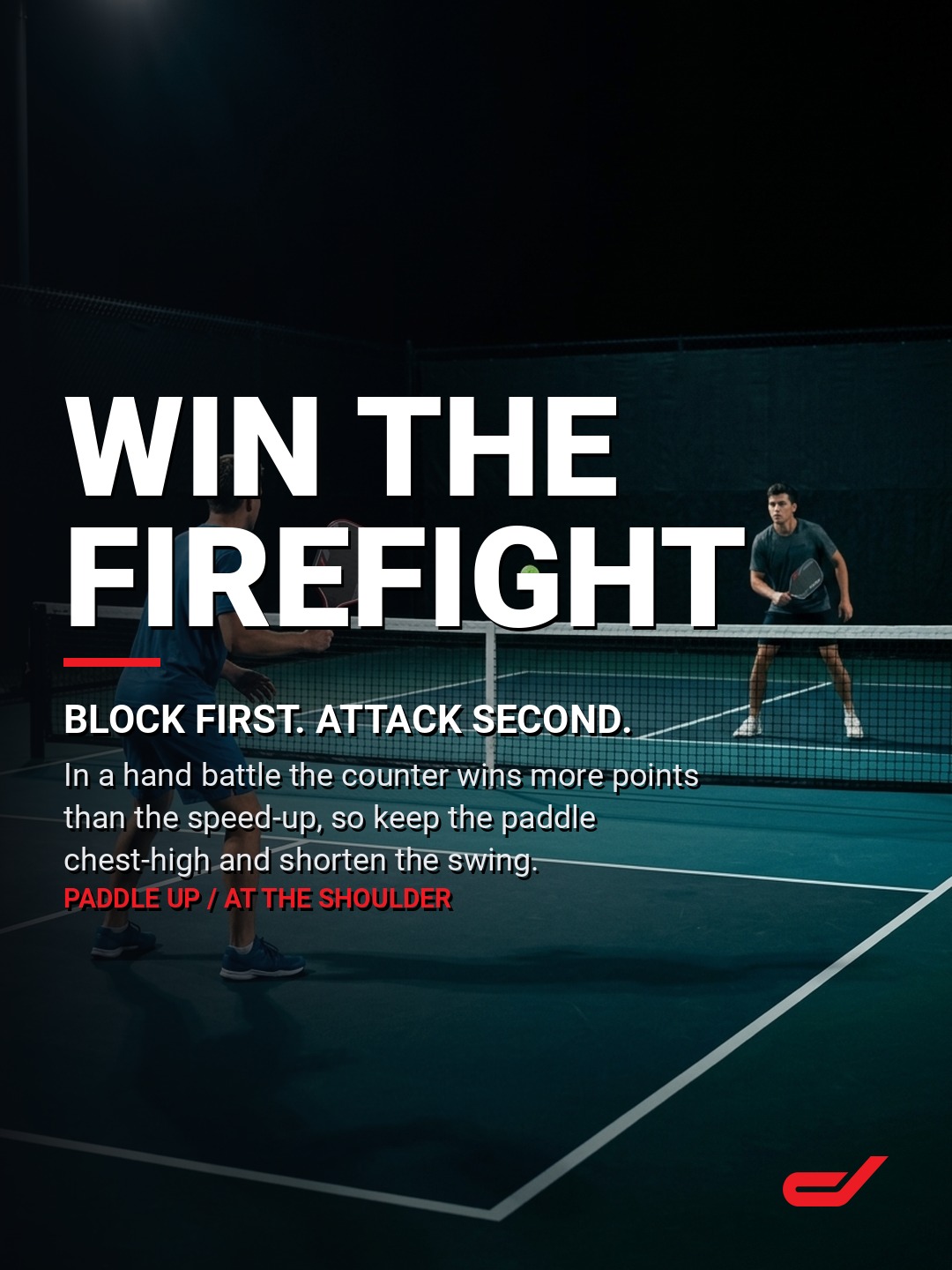
The backhand dink is your primary tool in a dinking strategy. If your opponent hits a quality shot that puts you under pressure, your goal is simply to 'reset' the ball safely into the kitchen. However, if they leave a dink even slightly high, don't be afraid to use your backhand to 'push' the ball deep into their court, forcing them to hit a defensive volley while moving backward.
Common Mistakes to Avoid
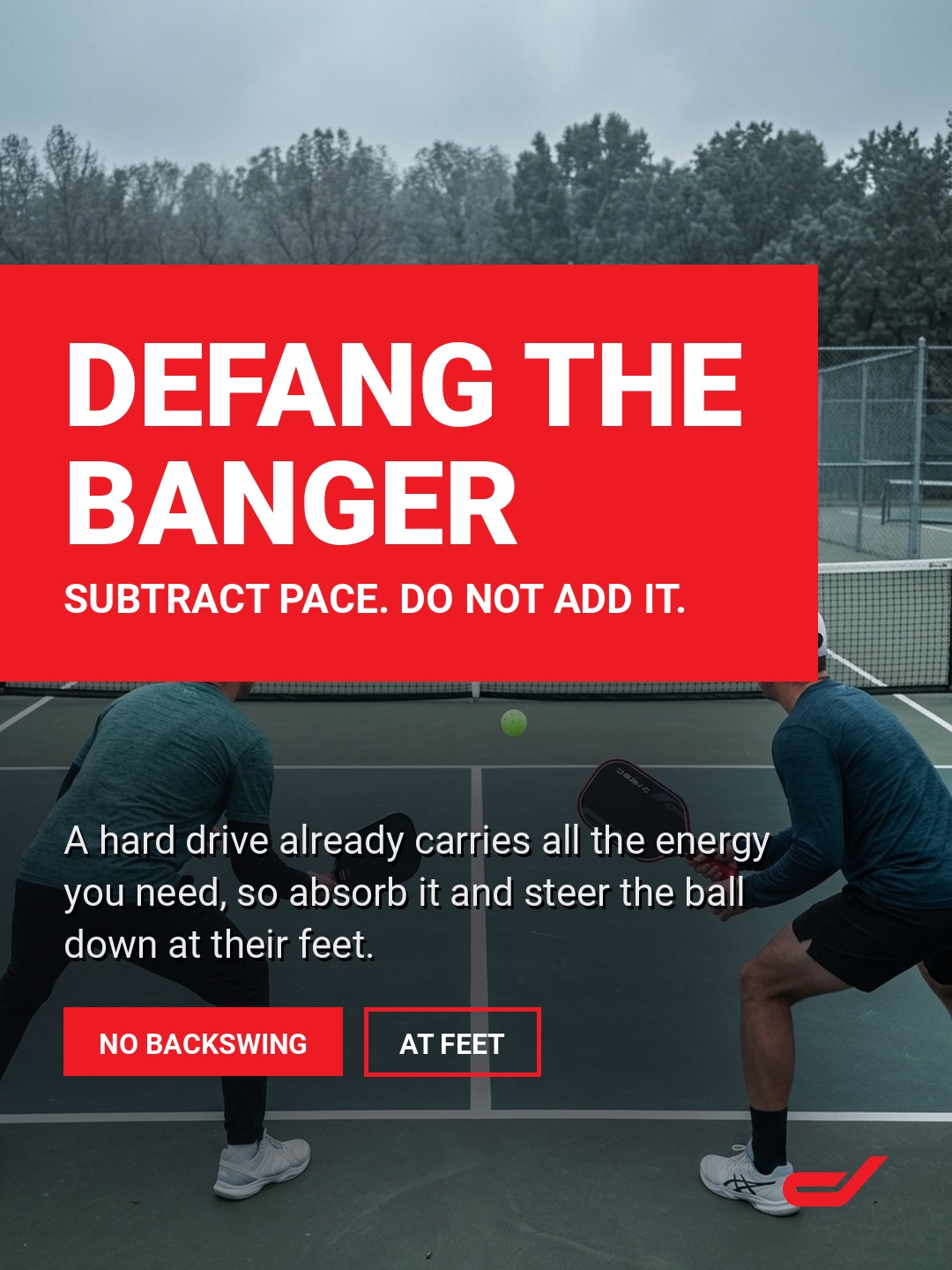
- The Big Backswing: There is no room for a backswing at the kitchen. Keep the paddle in your peripheral vision at all times.
- Dropping the Head: Keep the paddle head up. If the tip of your paddle points to the ground, you are more likely to 'scoop' the ball, which creates an easy target for your opponent.
- Standing Tall: Stay in an athletic crouch. Getting your eyes closer to the level of the ball helps with depth perception and touch.
Conclusion
The backhand dink is a shot of patience and discipline. By stabilizing your wrist, moving your feet, and utilizing a high-performance paddle like the HexCore Pro, you transform a defensive liability into a tactical asset. Spend ten minutes of every practice session purely on cross-court backhand dinks, and you will quickly notice your DUPR rating—and your confidence—begin to climb.
Frequently asked questions
Should I use one hand or two hands for a backhand dink?
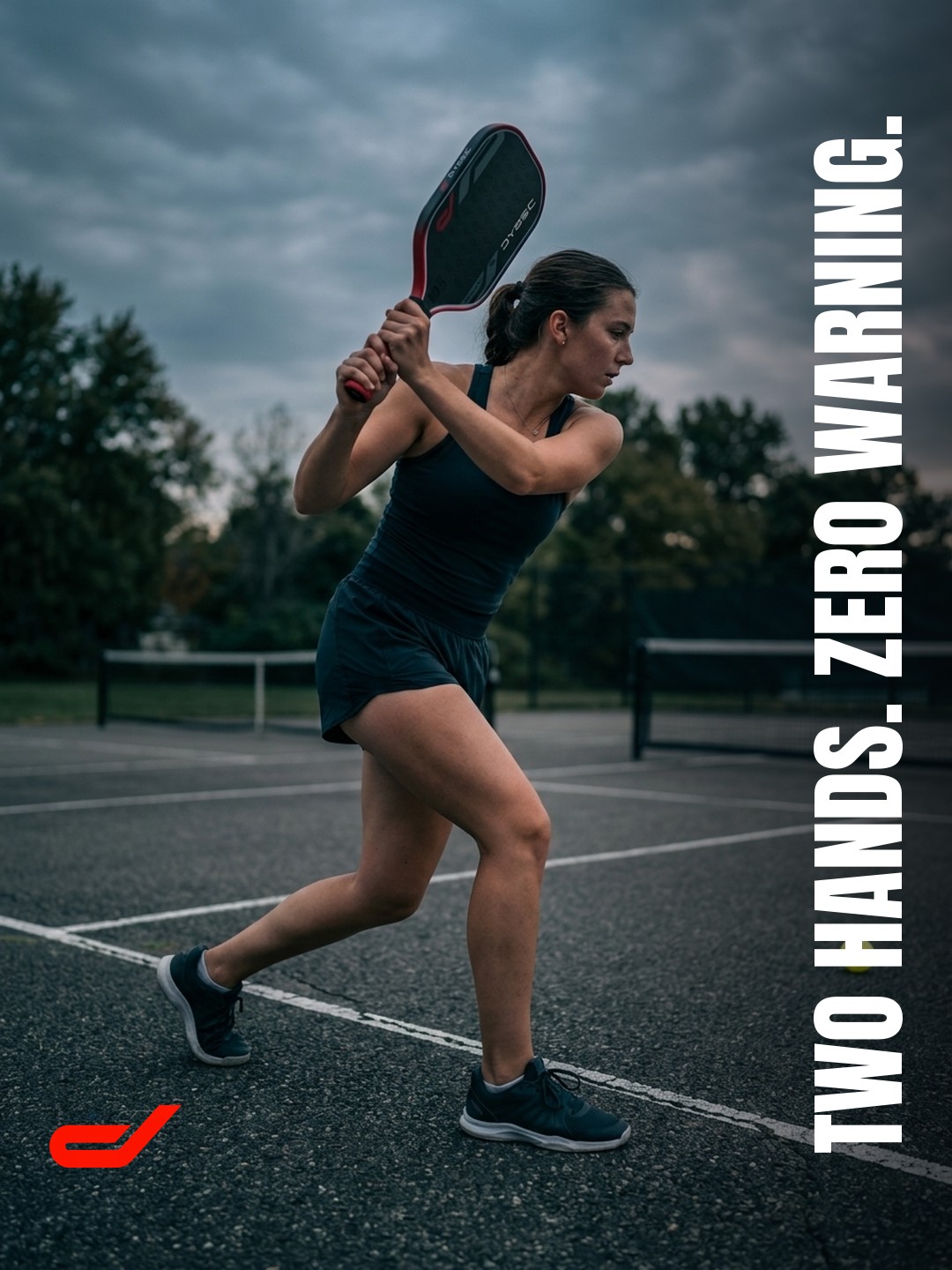
Both are valid. One hand offers more reach, while two hands provide more stability and help prevent 'flicking' the wrist. Many top pros use two hands for stability on the backhand side.
Why does my backhand dink always hit the net?
This usually happens because of a lack of leg engagement or 'quitting' on the shot. Ensure you are lifting through the ball with your legs and following through toward your target.
How do I stop popping up the ball on my backhand?
Pop-ups are usually caused by a 'scooping' motion or too much paddle tilt. Keep your wrist firm and your paddle face relatively neutral, pushing the ball forward rather than just upward.
Keep reading
Comments (0)
Be the first to comment.