
Pickleball Tournament Preparation: How to Win Your First Medal in India
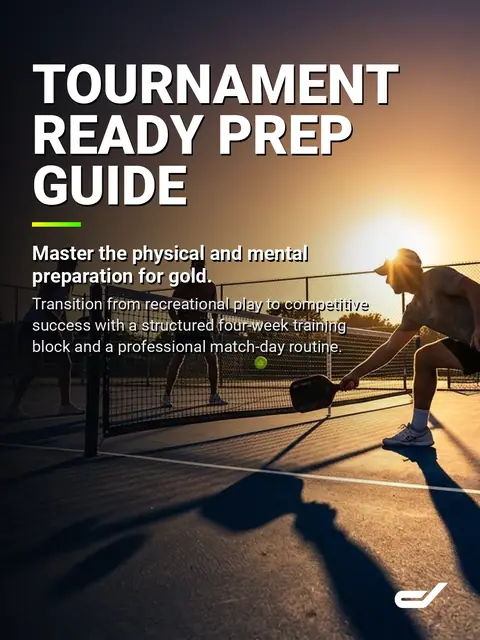
The landscape of pickleball in India (/pickleball-india) is shifting. What was once a niche weekend activity has exploded into a competitive circuit of state championships, corporate leagues, and national-level opens. Transitioning from recreational 're-play' games to sanctioned tournament matches requires more than just a better drive; it requires a systematic approach to preparation.
Whether you are entering a 3.0 amateur bracket or testing your skills in the open category, tournament play introduces variables you don't face in casual play: nerves, unfamiliar opponents, varying court surfaces, and the relentless Indian humidity. To stand on the podium, you need a plan that covers your gear, your body, and your brain.
1. The Four-Week Training Block
The biggest mistake players make is playing 'too much' pickleball in the weeks leading up to a tournament. While playing games is important, drilling is what builds the muscle memory that holds up under pressure. Four weeks out, your ratio should be 70% drilling and 30% gameplay.
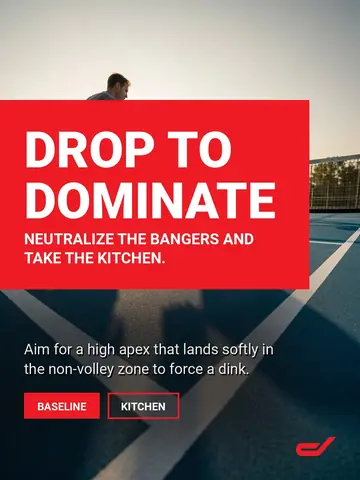
Focus on high-repetition drills that simulate pressure. This includes the mastering-pickleball-third-shot-drop and resets from the transition zone. In a tournament, the player who makes the fewest unforced errors usually wins. Use this time to tighten your 'unattackable' dink and ensure your serve is landing deep 95% of the time.
2. Equipment Audit and the 'No-Surprise' Rule
Tournament day is not the time to experiment with a new grip, new shoes, or a brand-new paddle. You should be playing with your tournament setup for at least two weeks prior. Check your paddle for signs of wear; if you notice a change in sound or a loss of pop, it might be time to inspect the core.
Professional-grade equipment like the DYSSC HexCore Pro is designed for the rigors of multi-day tournaments, offering a thermoformed edge that provides stability when the nerves make your hands a little shaky. When looking for the best pickleball paddle in India, prioritize a paddle with a high twist weight to help you during off-center hits which are common in high-pressure rallies.
Ensure you have:
- Two identical paddles (in case of a broken edge guard or delamination).
- Fresh overgrips applied the night before.
- Court-specific shoes with enough tread left to prevent slipping on dusty outdoor courts.
- A dedicated tournament bag with extra towels, electrolyte salts, and backup balls.
3. Managing the Indian Climate
Competing in Mumbai, Delhi, or Bengaluru presents unique challenges. The heat index can sap your energy by the second round of the winners' bracket. Your preparation must include a strategic hydration plan. Refer to our guide on pickleball-nutrition-hydration-indian-heat to understand how to preload electrolytes 24 hours before your first match.
In the humidity, sweat-drenched grips are a common cause of lost points. Use wristbands to stop sweat from reaching your palm and carry a small bottle of grip-enhancing powder or spray. Keeping your hands dry is as important as keeping your body hydrated.
4. The Mental Game: Scouting and Strategy
Tournament pickleball is as much about psychology as it is about physics. If you are playing doubles, sit down with your partner a week before to discuss 'The Plan.' Who takes the middle? What is the signal for stacking? How will you respond if one of you is being 'iced' (ignored by the opponents)?
If possible, scout your opponents during their earlier rounds. Identify the 'banger' who can’t dink, or the player with a weak backhand. Having a clear tactical target reduces the mental load during the match, allowing you to focus on execution rather than decision-making.
5. Match Day Routine: The Professional Approach
Arrive at the venue at least 60 minutes before your scheduled start. Most tournaments in India suffer from scheduling shifts; being early ensures you aren't rushed if a court opens up sooner than expected.
Follow a structured pickleball-warm-up-injury-prevention routine. Start with dynamic stretching—leg swings, arm circles, and lateral lunges—to get blood flowing to your joints. Avoid static stretching until after your matches are done for the day.
Once on the warm-up court, follow the standard 'dink-to-drive' progression:
- Dinking: 2-3 minutes to find your touch.
- Volleys: 2-3 minutes of rapid-fire kitchen exchanges.
- Drops and Drives: Move back to the baseline to find your depth.
- Serves and Returns: Hit 5-10 of each to calibrate for the wind and sun conditions of that specific court.
6. Post-Match Recovery
If you win, your tournament isn't over. If you lose, you likely have a 'back-draw' or consolation bracket. The 30 minutes following a match determine how you will perform in the next one. Consume a fast-digesting carbohydrate, stay in the shade, and keep your legs moving. Use a foam roller or a massage ball on your calves and forearms to prevent cramping during the later stages of the day.
Winning a pickleball tournament in India is a test of endurance and discipline. By treating your preparation with the same respect as the pro players, you give yourself the best chance to turn those 11-9 heartbreakers into 11-9 victories. The podium is waiting; make sure you've done the work to earn your spot on it.
Frequently asked questions
How long should I warm up before a tournament match?
Aim for a 20-minute routine: 10 minutes of dynamic body movements and 10 minutes of on-court hitting to find your range.
Should I change my strategy if I am losing in a tournament?
Yes. If your current plan isn't working by the time the score hits 6, change one variable—target the other opponent, hit more lobs, or slow the pace down.
What should I eat between tournament matches?
Focus on light, easily digestible snacks like bananas, energy bars, or dates. Avoid heavy fats or large meals that can cause lethargy.
Keep reading

Comments (0)
Be the first to comment.